
AI Coding Works Better When the Agent Has a Contract
A practical field guide to structuring software work for AI coding agents using persistent documentation, task contracts, implementation plans, bounded slices, preflight audits, and verification.
Field notes on architecture, AI enablement, compliance systems, and product engineering.
A practical field guide to structuring software work for AI coding agents using persistent documentation, task contracts, implementation plans, bounded slices, preflight audits, and verification.

A practical look at how AI coding agents are changing developer workflows, which skills live coding interviews still measure well, and where modern hiring may be testing the wrong things.
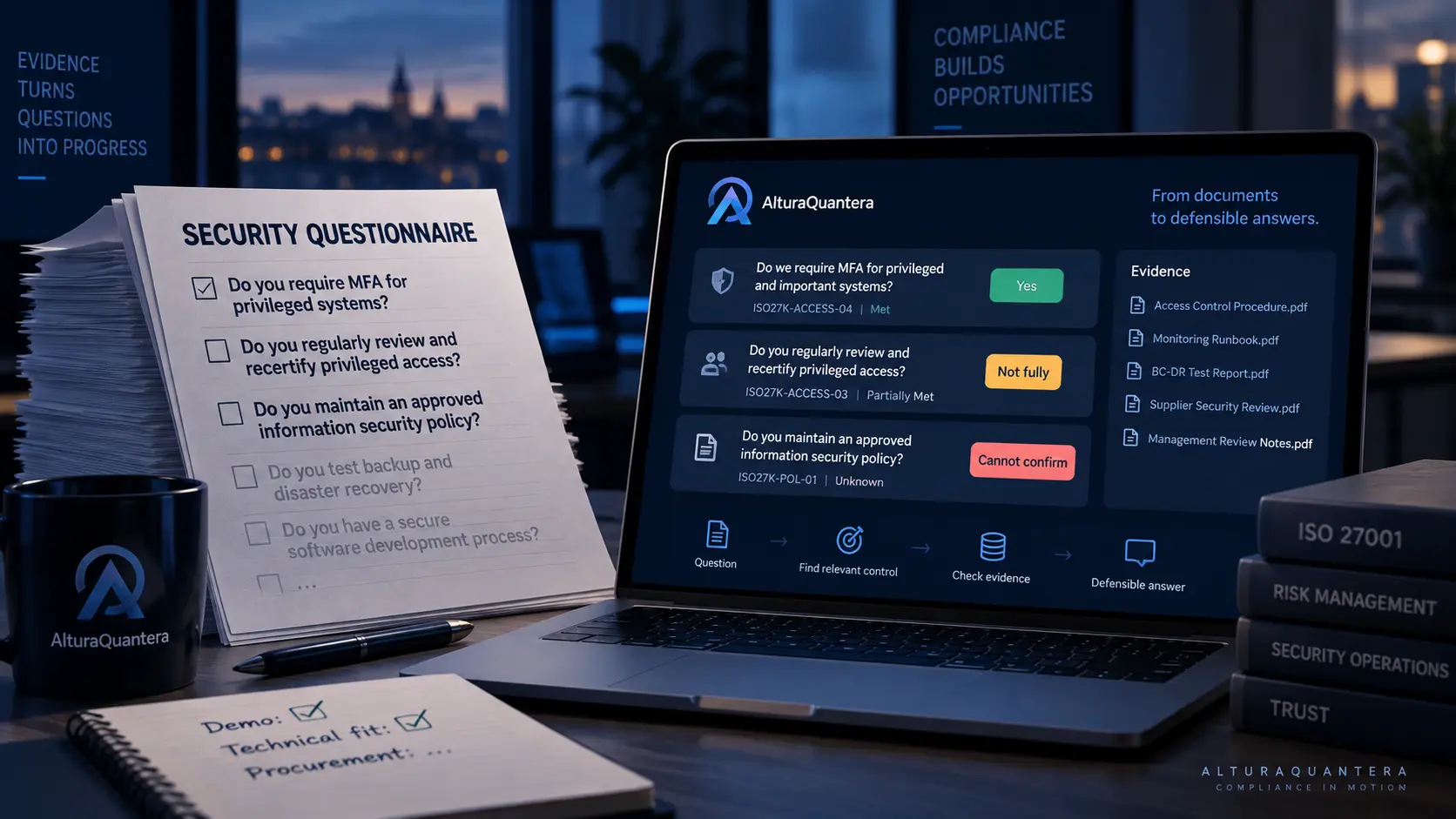
A practical SaaS compliance walkthrough showing how to distinguish a defensible Yes, a qualified answer, and an Unknown using assessment results and underlying evidence.
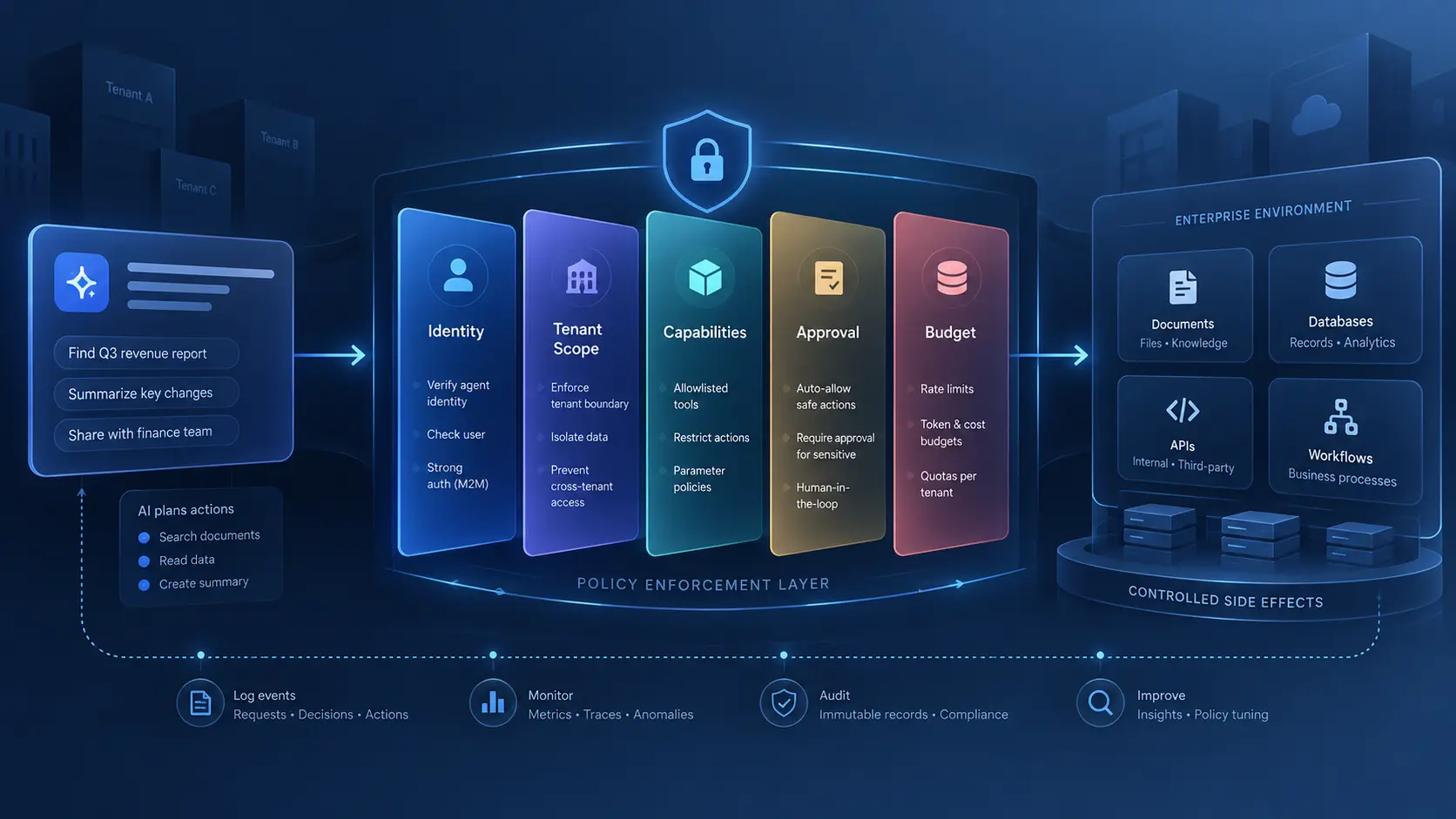
A practical guide to securing AI agents in SaaS with least privilege, tenant isolation, deterministic authorization, approval gates, usage limits, cost controls, and auditability.

A practical ISO 27001 readiness case study showing how existing evidence, supplier security gaps, operational proof, and reassessment fit together in a SaaS compliance workflow.
A practical look at why .NET remains relevant in 2026 for backend systems, SaaS products, long-lived business software, maintainability, diagnostics, and AI-adjacent development.
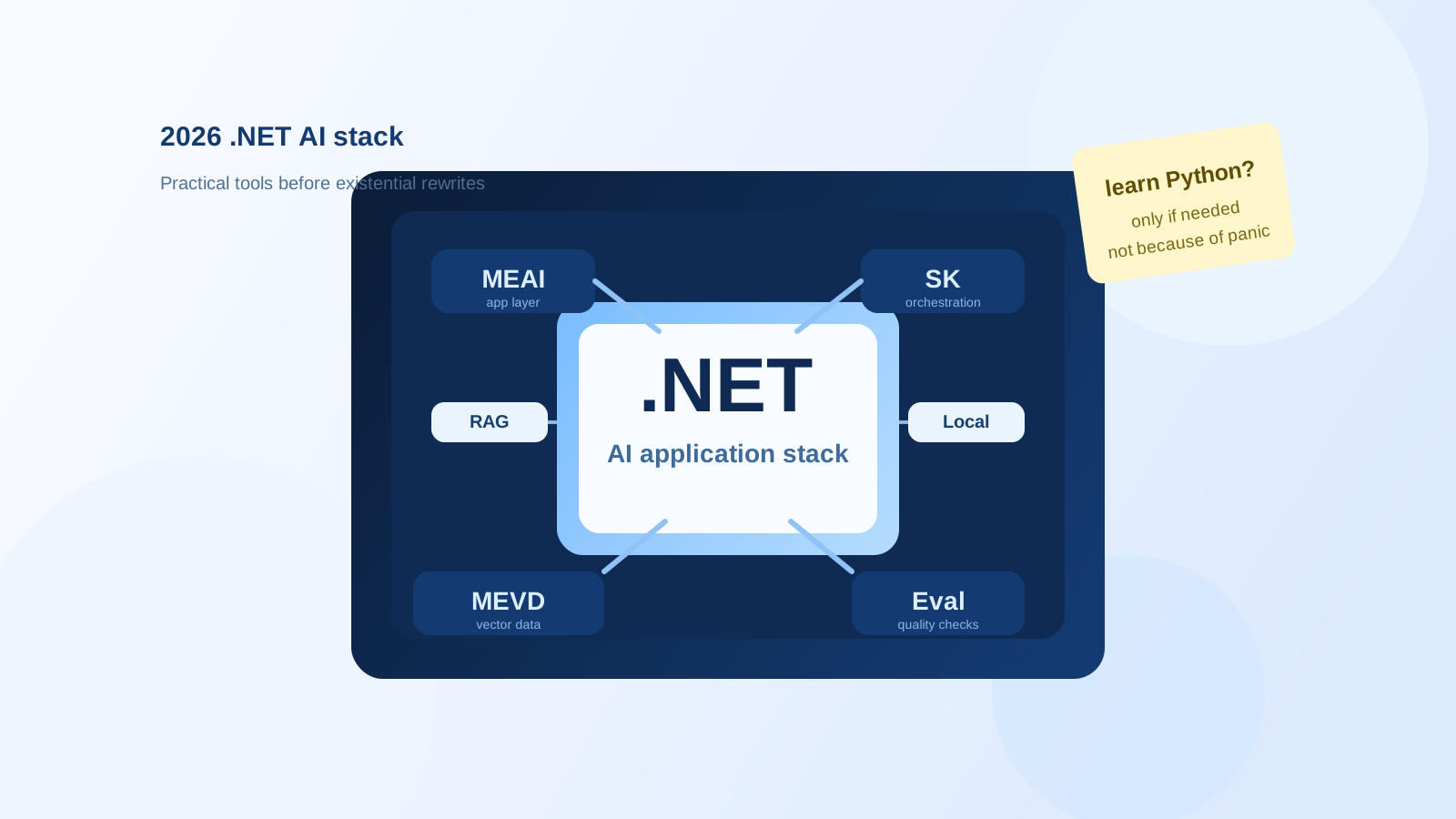
A practical guide for C# developers evaluating .NET vs Python for AI, covering Microsoft.Extensions.AI, Semantic Kernel, RAG, vector search, evaluations, tokenization, and local models.
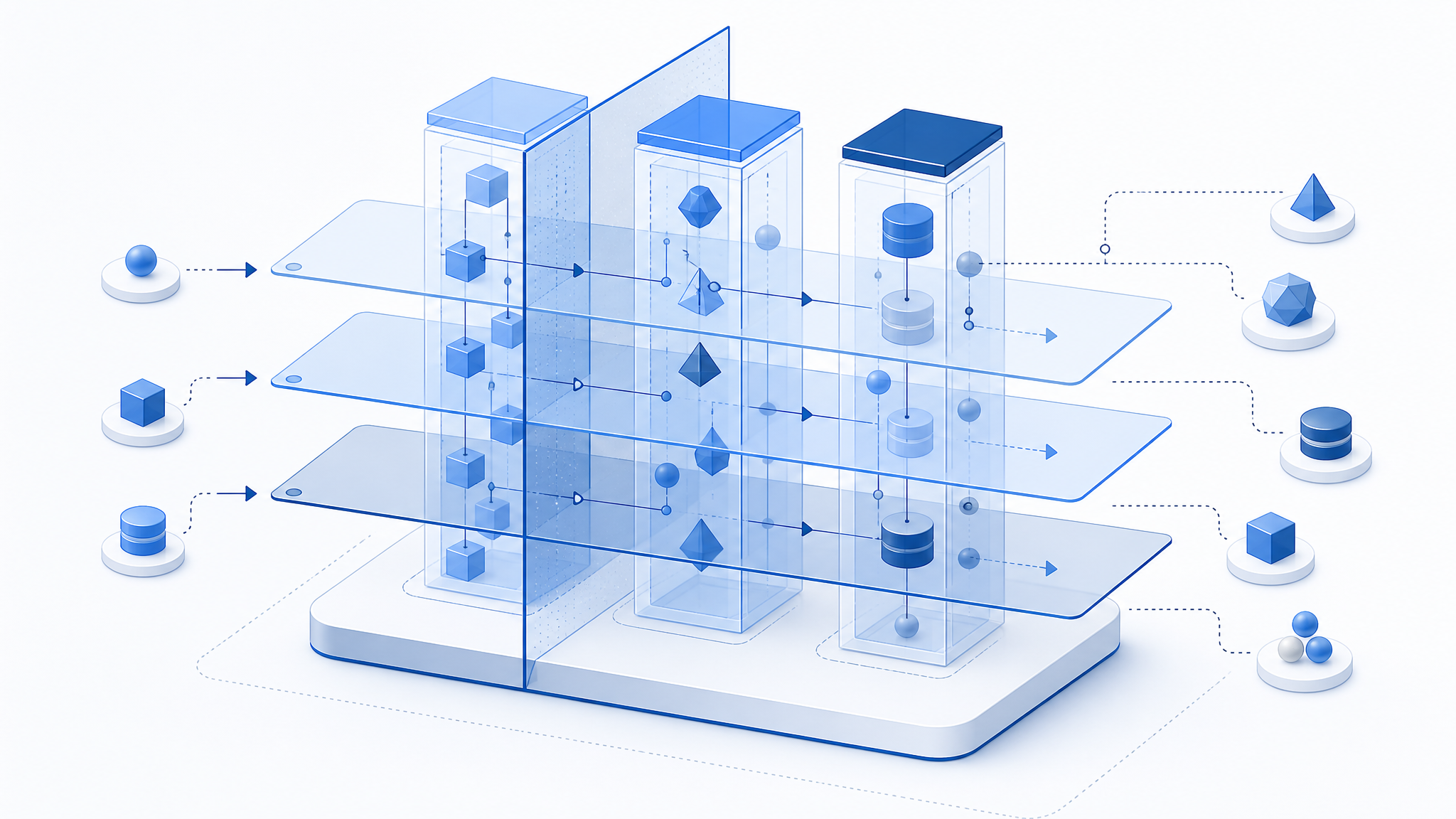
A practical look at three ideas teams often mix together, and what usually matters more than the diagram when a SaaS product has to keep changing.
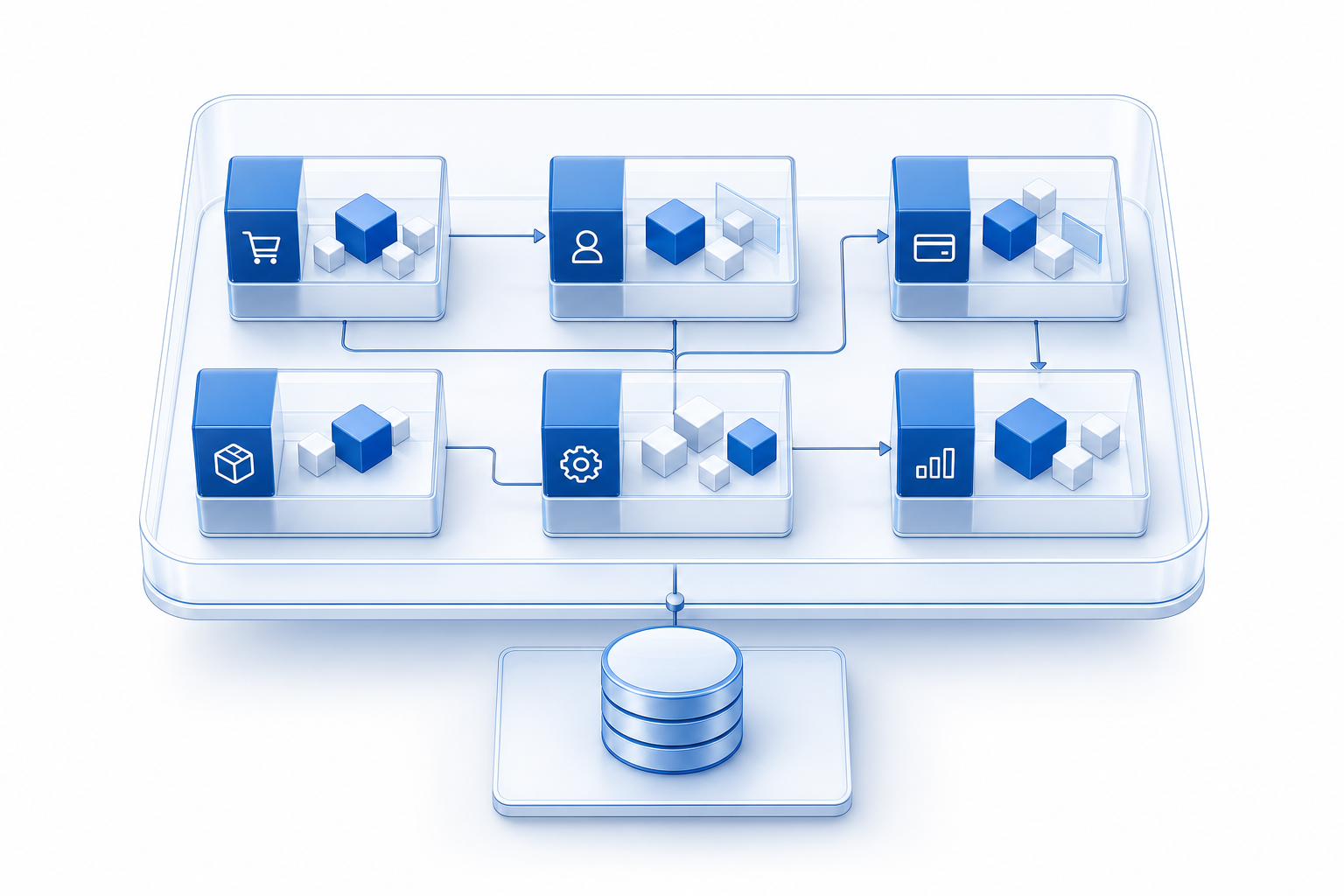
A practical comparison of modular monoliths and microservices for early-stage SaaS, focusing on delivery speed, operational complexity, boundaries, and when distribution actually becomes useful.
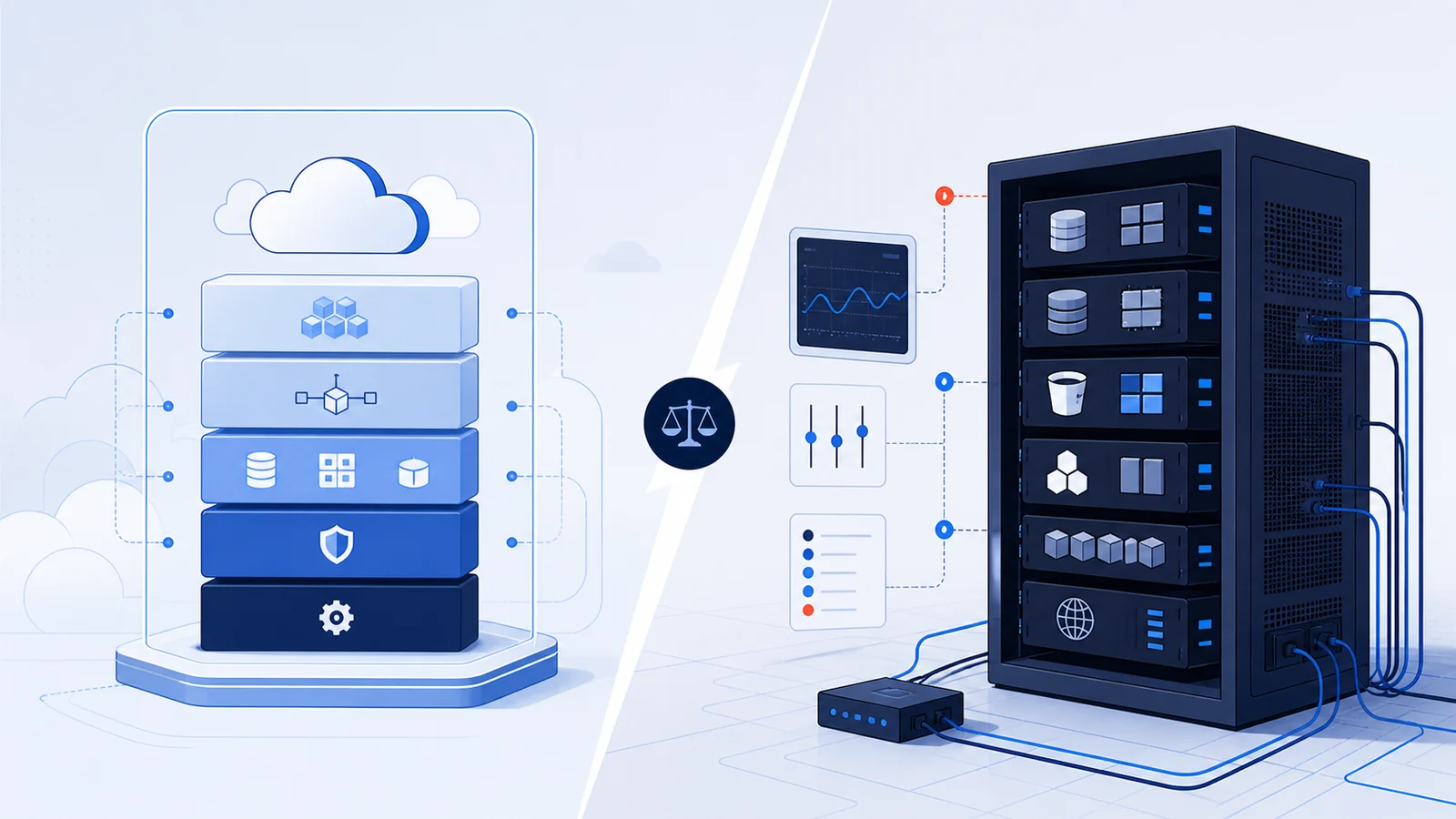
A practical comparison of VPS hosting and managed cloud platforms for SaaS deployment, including cost, operational control, Docker-based hosting, vendor lock-in, and infrastructure trade-offs.
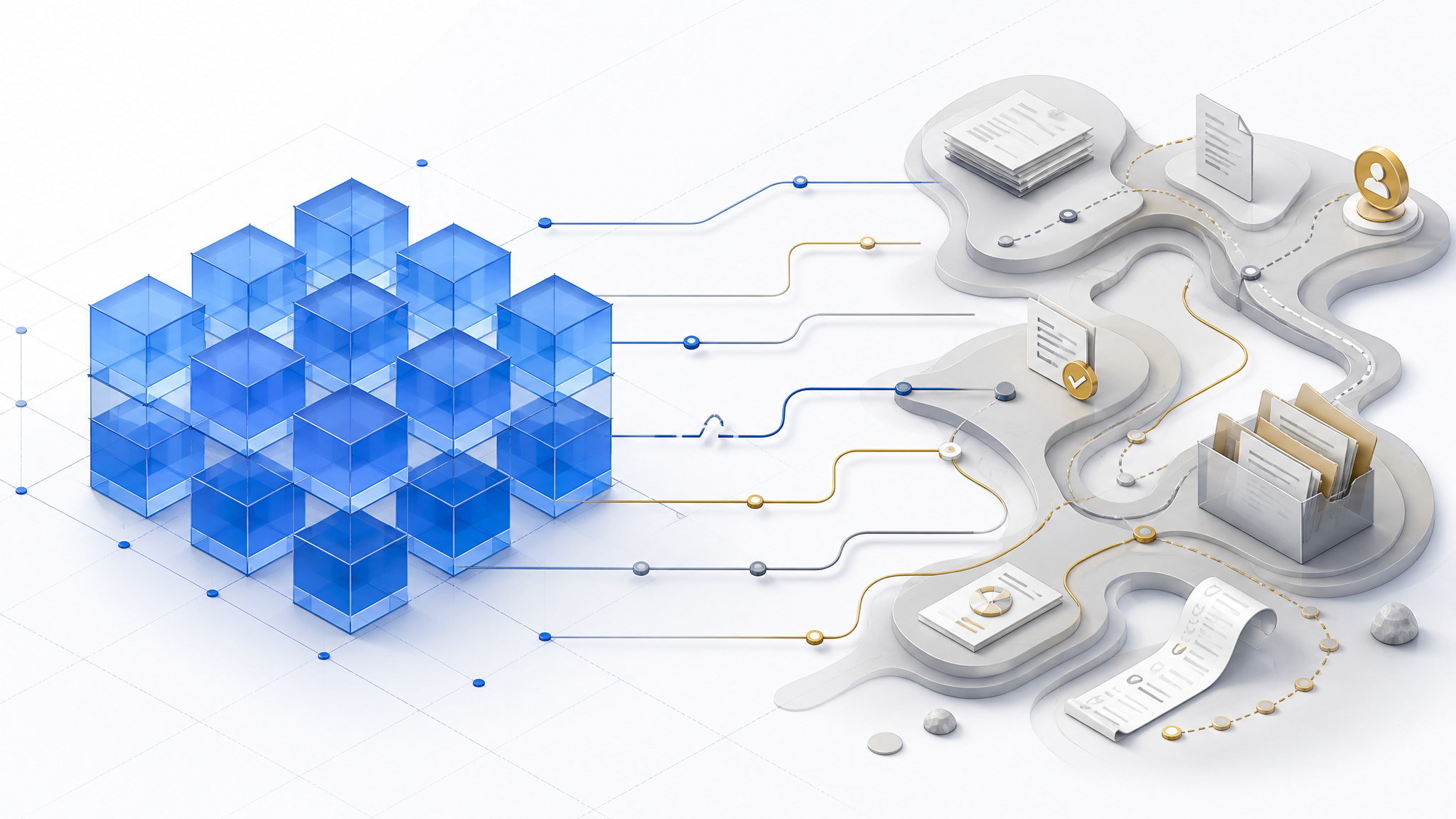
Why this blog exists, and why useful software is less about impressive demos than about systems that keep working when real organizations depend on them.